Code Review Best Practices for Modern Teams
Master code reviews with these proven strategies. Learn how to give better feedback, review faster, and build a positive code review culture.

GitProductivity Team
Engineering Analytics
·7 min read
Code Review Best Practices
Code reviews are one of the most effective ways to improve code quality and share knowledge. Here's how to do them right.
Why Code Reviews Matter
- Quality: Catch bugs before they reach production
- Knowledge sharing: Spread expertise across the team
- Consistency: Maintain coding standards
- Mentorship: Help junior developers grow
Best Practices
For Authors
- Keep PRs small — Under 400 lines is ideal
- Write clear descriptions — Explain what and why
- Self-review first — Catch obvious issues yourself
- Respond to feedback — Don't take it personally
For Reviewers
- Review within 24 hours — Don't block your team
- Focus on logic, not style — Use linters for style
- Ask questions, don't demand — "What if..." not "You must..."
- Praise good code — Positive reinforcement works
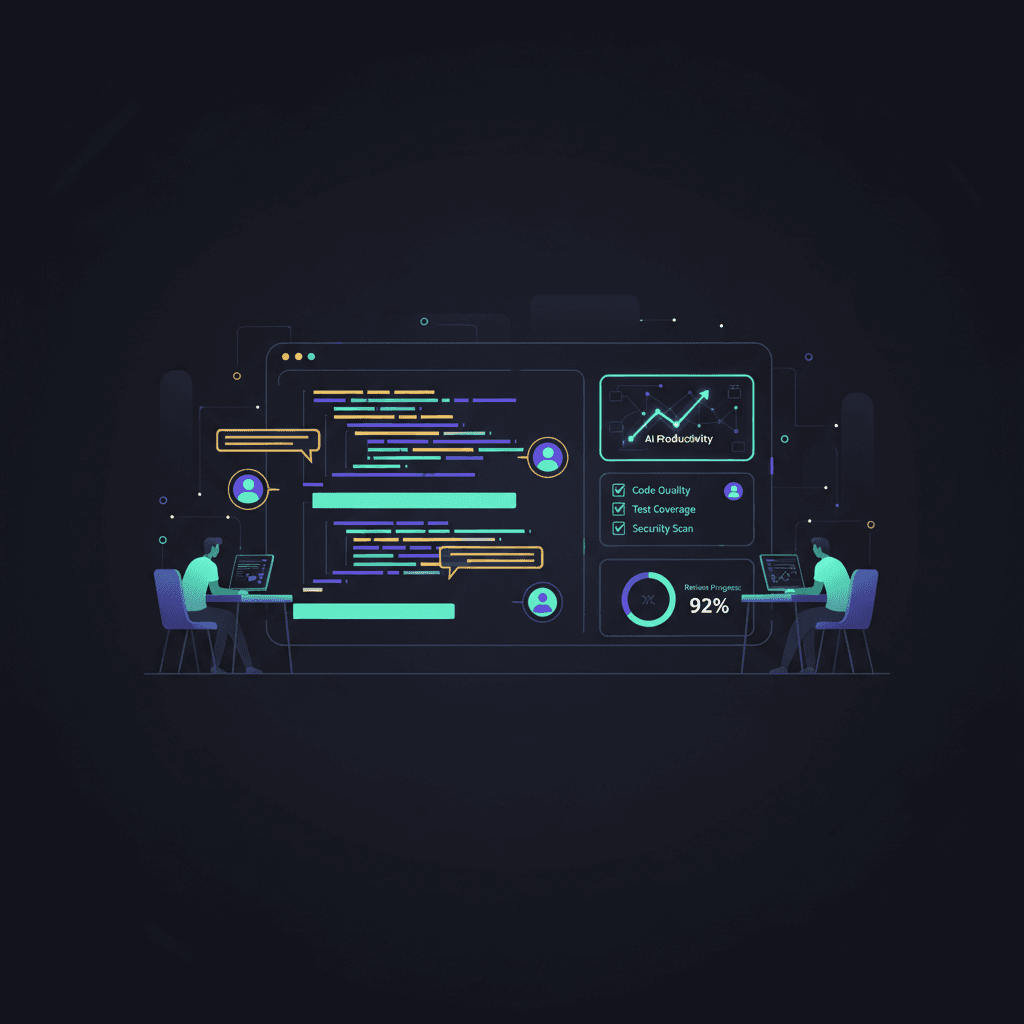
The Code Review Checklist
- [ ] Does the code work as intended?
- [ ] Is the code readable?
- [ ] Are there tests?
- [ ] Is there documentation?
- [ ] Are there security issues?
- [ ] Is there performance impact?
Tools and Automation
Use automation to reduce review burden:
- Linters: ESLint, Prettier
- Formatters: Pre-commit hooks
- CI/CD: Automated tests
- GitProductivity: Track review metrics
Conclusion
Great code reviews are a skill that takes time to develop. Start small, be patient, and keep improving.